What is Tib e Pakistani?
Tib e Pakistani: A Distinct, Scientific and Modern Medical System
Tib e Pakistani is a unique and modern medical system developed from the deep research and practical experience of the renowned scholar of medicine, the late Hakim Saber Multani. It is based on a clear scientific foundation known as the Law of Single Organs, which explains human health through the movement, balance and functions of the major organ systems. This approach provides a simple but powerful method for understanding diseases and treating them through natural and research-based principles.
Foundation of the Law of Single Organs (Qanoon Mufrad Aza)
The entire structure of Tib e Pakistani rests on the classical concept called the Law of Single Organs. According to this principle, the human body works through three major functional systems
1: Cardiac system
2: Nervous system
3: Hepatic system
Every disease is understood by observing the imbalance or disturbance within these organ systems. Instead of treating symptoms alone, Tib e Pakistani identifies the root cause of the disturbance and corrects it through natural means.
Renaming in 2024: A Major Milestone
In its early years, this system was widely known only as the Law of Single Organs.
However, in 2024, on the suggestion of Hakim Maulana Syed Abdulwahab Shah, the system was given the public and identity-building name Tib e Pakistani, while the scientific name Law of Single Organs was kept unchanged for research and academic use.
The purpose of this renaming was
• to give this medical system a clear national identity
• to distinguish it from other traditional systems
• to make the concept easily searchable and recognizable
• to present it as Pakistan’s own medical framework
Today, the name Tib e Pakistani is becoming a strong and well-known identity in natural and organ-based medicine.
Core Features of Tib e Pakistani
Tib e Pakistani stands out for several reasons
• strong focus on natural herbs
• clear and simple dietary principles
• treatment based on organ-specific laws
• emphasis on correcting the cause, not just reducing symptoms
• affordable, safe and research-supported methods
• unique diagnostic techniques based on organ movements and imbalances
It is completely different from Prophetic Medicine, Greek Medicine, Chinese Medicine and Homeopathy, and it offers its own scientific structure and practical approach.
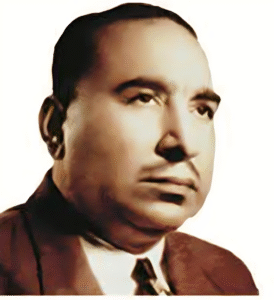
Hakim Saber Multani: Scholar, Researcher and Founder
Hakim Saber Multani was one of Pakistan’s respected scholars of traditional medicine. He devoted his life to
• studying organ systems
• understanding movements and imbalances
• developing simple diagnostic principles
• teaching students
• and compiling the framework of the Law of Single Organs
His research, teaching and clinical experience form the backbone of what is now known as Tib e Pakistani. He is remembered as a pioneer who simplified medical understanding and offered a practical, organ-based approach to healing.
Tib e Pakistani in the Modern Era
Today, Tib e Pakistani is gaining recognition across Pakistan. Many centres, clinics and study circles are working on
• education
• clinical training
• research
• public awareness
• and practical application of this system
Its safe, natural and scientific principles have made it popular among people looking for effective and simple healthcare solutions.
Growing Presence in Online Search
In recent years, the term Tib e Pakistani has become a widely searched phrase on the internet. People look for
• introduction of this system
• medical philosophy
• difference from other systems
• scientific structure
• contribution of Hakim Saber Multani
• and modern research
Publishing clear and authentic information helps strengthen the identity of Tib e Pakistani and makes it easier for people to find reliable knowledge.
Tib e Pakistani Book PDF Download
Read the URDU book here to understand the basics of Pakistani medicine and an easy-to-understand book for beginners: